Driveway Refurbishment Burton upon Trent: Repair, Resurface or Replace?
Driveway refurbishment Burton upon Trent homeowners look for is rarely just about making an old drive look newer. In most cases, the real question is whether the problem is cosmetic, structural or drainage-related. Cracks, sinking edges, loose blocks, worn patches and standing water can all point to very different solutions.
At J A Civils & Surfacing, we install and repair driveways using tarmac, resin-bound surfacing and block paving across Burton upon Trent, Tutbury and the surrounding area. We also carry out driveway refurbishments, drainage work and hard landscaping, so we look at the whole area rather than just the top finish. If you are comparing options before booking work, this guide explains when repair is enough, when resurfacing offers better value, and when replacement is the more sensible long-term decision.
If you would like to see the wider scope of our driveway and surfacing services, you can also explore our main website before arranging a site visit.
Driveway Refurbishment Burton upon Trent: Start with the Cause, Not Just the Damage
One of the biggest mistakes homeowners make is judging the job purely by what they can see from above. A driveway may only show a few cracks or some faded surfacing, but the real issue might be movement underneath, weak edges or poor falls that are sending water the wrong way.
Equally, a driveway that looks tired is not always beyond saving. In some cases, the structure is still sound and only the upper surface or a few isolated areas need attention.
Surface wear and structural failure are not the same thing
Light surface wear often responds well to local repairs or resurfacing. Structural failure usually does not. If the base has broken down, the driveway has sunk in several places, or water is repeatedly sitting on the surface, a more extensive solution is usually the better investment.
Drainage often changes the answer
We regularly find that visible damage is only part of the problem. If water cannot drain properly, patching the surface without dealing with falls, channels or ground levels can mean the same issue returns. That is why practical items such as levels, edges and drainage should be assessed before deciding how much work is really needed.
Where drainage is part of the issue, our drainage work and surfacing solutions can be considered alongside the driveway refurbishment itself.
When a Driveway Repair Is the Right Choice
Repair is usually the most sensible route when the problem is localised and the rest of the driveway remains fundamentally stable. The aim is to correct the defective area without carrying out more disruption than necessary.
Signs a repair may be enough
Isolated cracks rather than widespread surface breakup
Small areas of settlement near an edge or access point
Loose or damaged blocks in one section of the driveway
Minor edge deterioration where the main body of the driveway is still sound
Localised wear caused by turning wheels or repeated use in one spot
In these situations, a targeted repair can restore safety, tidy up the appearance and prevent the defect from spreading.
When repair becomes false economy
Repair is less effective when the same driveway has multiple defects in different areas. If you have several cracks, repeated movement, widespread rutting or ongoing puddling, separate patches can start to cost more over time without solving the underlying cause.
That is usually the point where resurfacing or replacement should be considered instead. A site inspection helps identify whether the damage is genuinely local or a symptom of larger failure below the surface.
When Resurfacing Makes More Sense Than Repeated Repairs
Resurfacing sits between repair and full replacement. It is often the best choice when the base of the driveway is still in reasonable condition, but the top finish is tired, worn or no longer giving the property the look you want.
Resurfacing is often suitable when:
The driveway is structurally sound underneath
The surface is worn, faded or dated across a wide area
You want a cleaner, smarter finish without full excavation
There are several cosmetic defects rather than one isolated fault
The layout still works, but the finish no longer does
For some homeowners, resurfacing provides the right balance between visual improvement and practical value. It refreshes the driveway as a whole, rather than leaving repaired patches that still make the rest of the area look old.
What resurfacing can involve
The right method depends on the existing surface and how well it has held up over time. In some cases, a suitable existing base can support a new finish. In others, selected sections may need preparation or correction first.
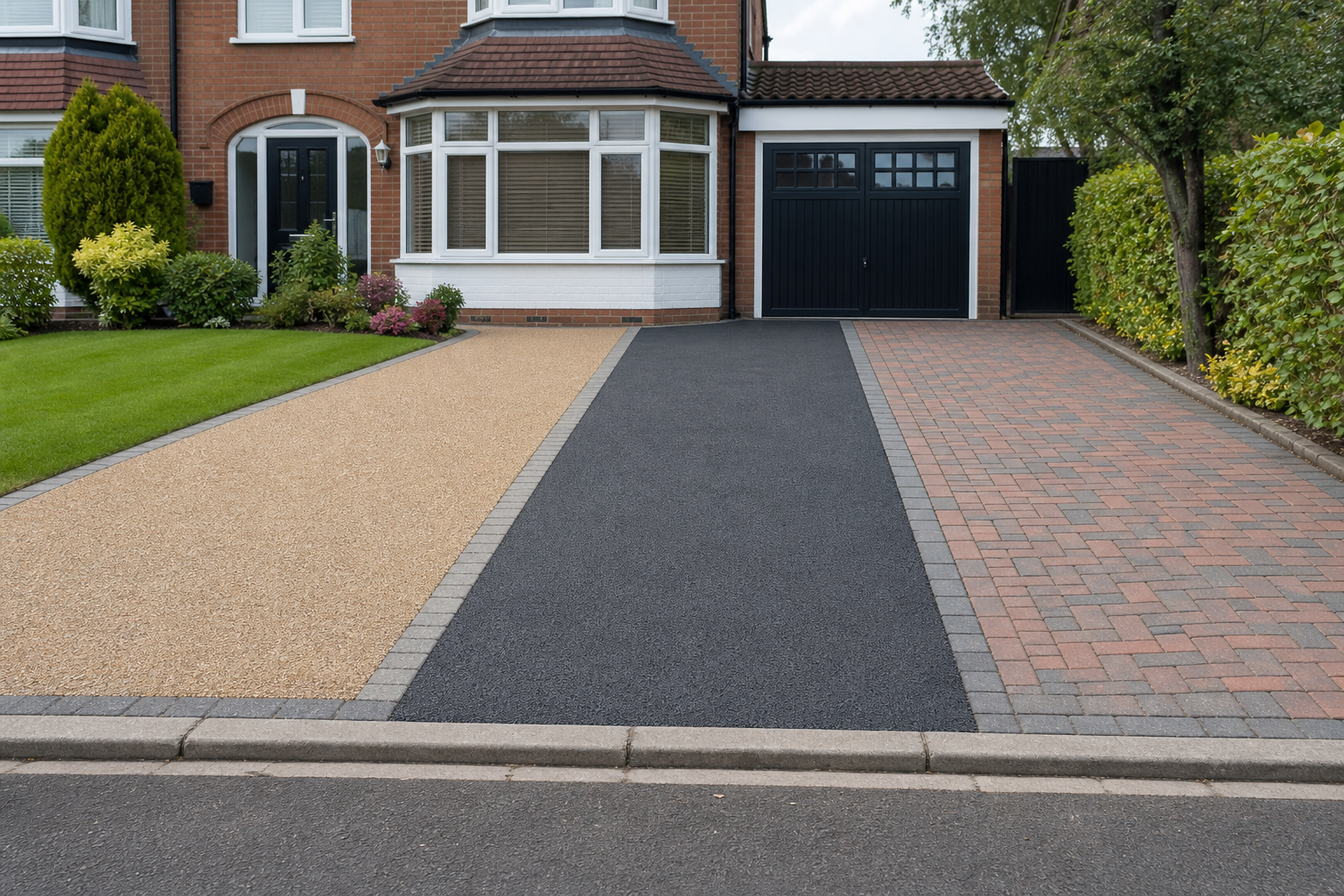
At J A Civils & Surfacing, we install and repair driveways using tarmac, resin-bound surfacing and block paving, so the recommendation depends on the condition of the driveway and the finish you want to achieve. If you are already considering a premium update, you can view more about our resin driveway, tarmac and block paving services on our website.
Why resurfacing is often the better upgrade route
If the base is good, resurfacing can improve appearance, refresh kerb appeal and extend the working life of the driveway without going straight to a full rebuild. It is also a practical option for homeowners who want an upgraded finish but do not need the disruption of complete replacement.
That said, resurfacing only works well when the groundwork below it is right. Laying a fresh surface over an unstable or badly draining drive rarely gives lasting value.
When Full Replacement Is the Better Long-Term Decision
Sometimes the most cost-effective option is to stop patching an old driveway and start again properly. That is especially true where the existing drive has reached the point where defects are widespread or the original construction no longer supports modern use.
Common signs replacement may be needed
Multiple sunken areas across the driveway
Recurring cracks or movement after previous repairs
Chronic drainage problems with water sitting or running back towards the property
Failing edges or broken kerbs that affect the stability of the surface
Base failure where the driveway feels uneven, weak or broken down underneath
A poor layout that no longer suits your parking needs
Replacement gives you the opportunity to correct the structure, levels and drainage from the ground up. It can also make sense if you want to widen the driveway, improve access or change the finish completely.
Why replacement is sometimes the more economical option
Homeowners often worry that replacement is automatically too much work, but there are cases where it is the most efficient route. If major defects are affecting a large part of the driveway, repeated repairs or partial overlays may simply delay the inevitable.
Starting again can remove uncertainty. It allows the base, edges, falls and finish to be planned together, rather than trying to make new work perform on top of failing older layers.
What We Assess During a Site Visit
A proper recommendation should be based on what the driveway actually needs, not a one-size-fits-all answer. When we assess driveway refurbishment work in Burton upon Trent or Tutbury, we focus on the practical details that influence performance as well as appearance.
Condition of the existing surface
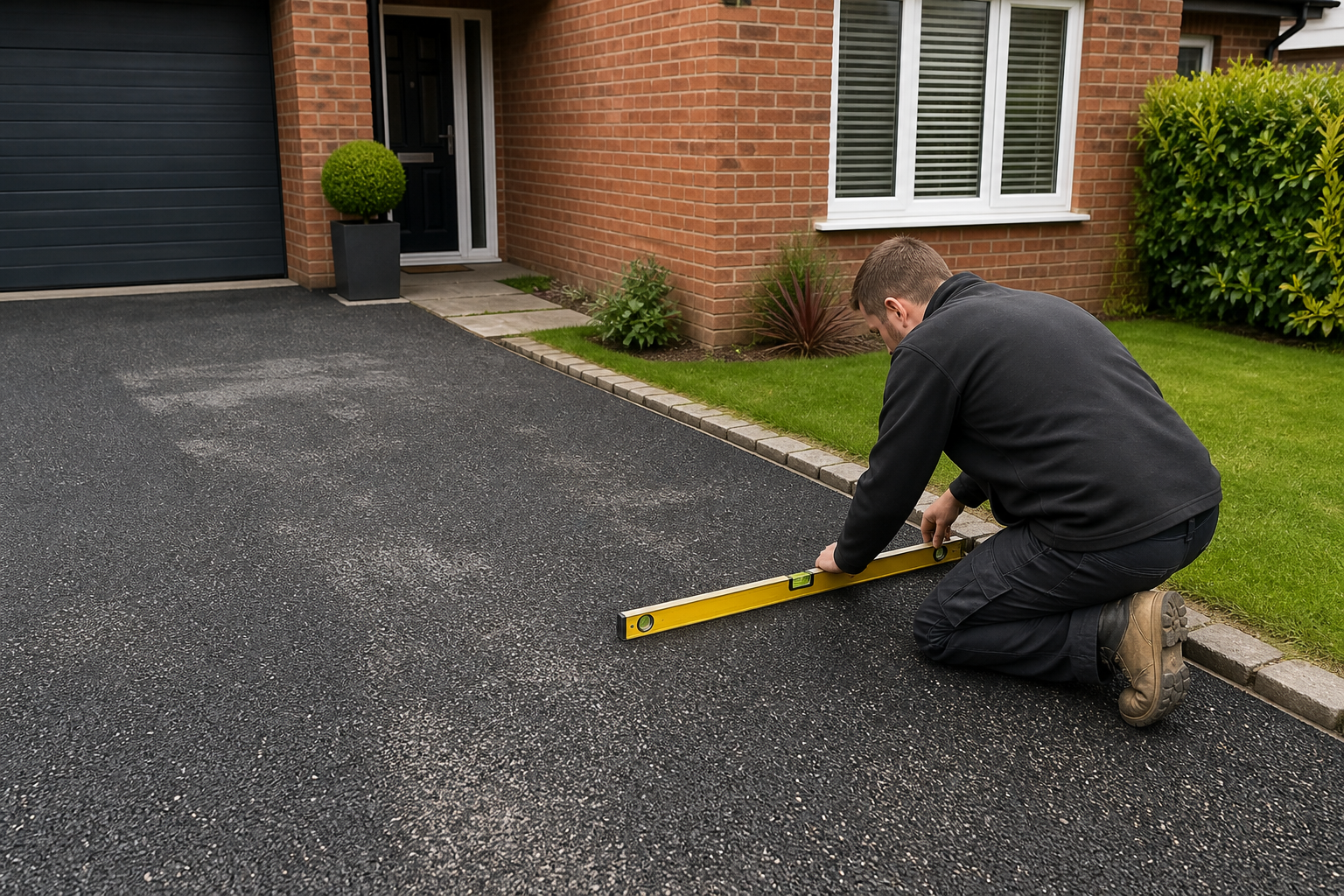
We look at cracks, loose areas, rutting, wear patterns and whether the damage is isolated or widespread.
Strength of the structure underneath
The top finish only tells part of the story. We consider whether the base appears stable enough for repair or resurfacing, or whether replacement is likely to offer better long-term value.
Drainage and falls
Water management matters. If levels are wrong or water is collecting, those issues need to be addressed before a new finish is laid.
Edges, kerbs and boundaries
Driveway edges help hold the surface in place. Broken or unsupported edges can contribute to movement and should not be ignored.
How the driveway is used
A driveway used by one small car has different demands from one used daily by multiple vehicles. Usage affects the right specification and the level of refurbishment needed.
Your preferred finish
Once the practical side is clear, we can advise on the most suitable finish for the look you want and the condition of the area.
This approach helps avoid over-specifying a simple job or underestimating a more serious one.
Why Homeowners Choose J A Civils & Surfacing
We are a local driveway and surfacing contractor serving Tutbury and the Burton-on-Trent area. Our small, hands-on team focuses on reliable workmanship and practical recommendations based on the condition of the site.
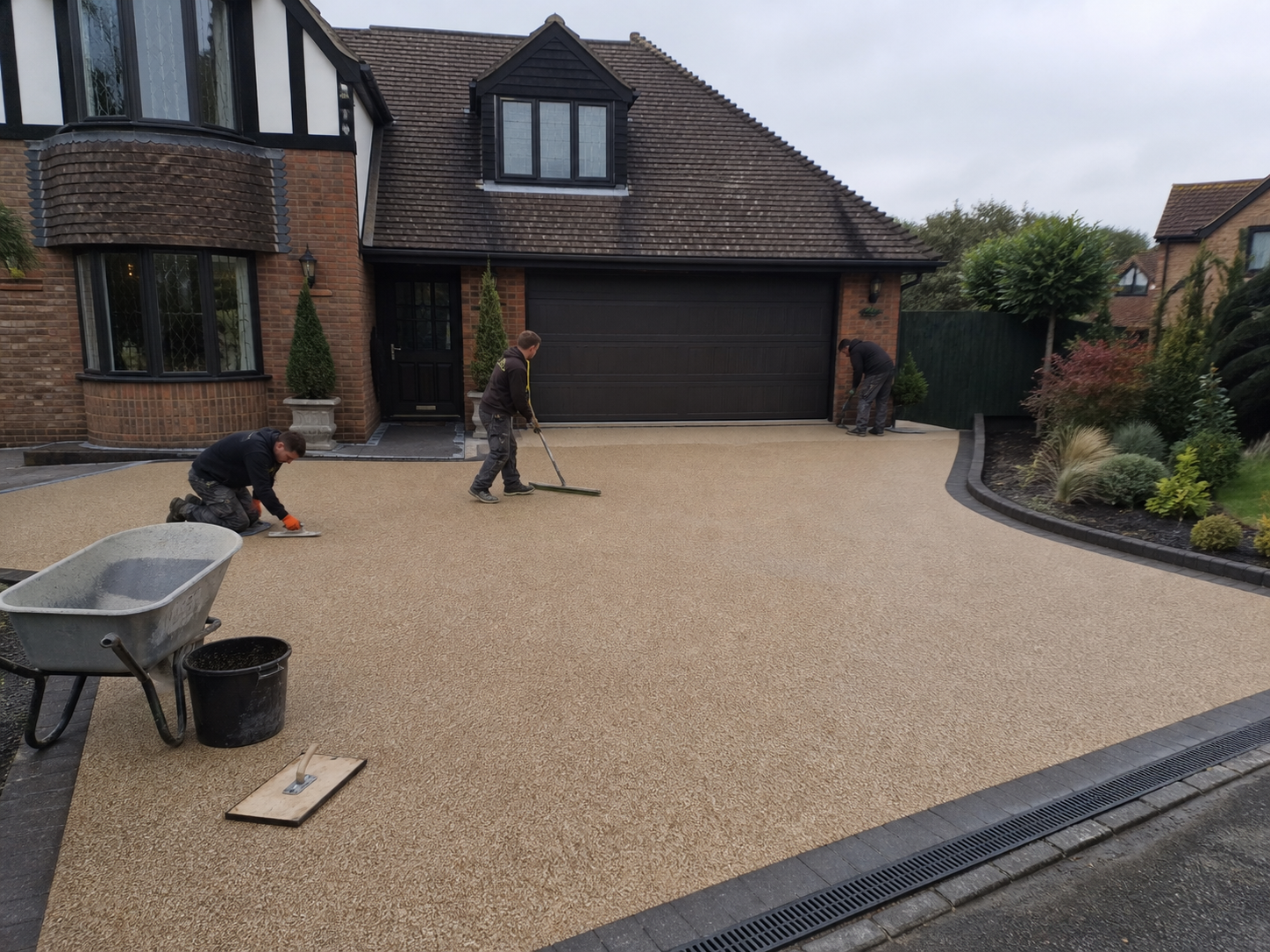
We install and repair driveways using resin-bound surfacing, tarmac and block paving, and we also carry out drainage work, driveway refurbishments and hard landscaping. Many standard installations are completed in around four to five days, depending on the scope of work, and we typically undertake one job at a time. That means your project is not being managed as one of several active sites at once.
If you want clear advice on whether your driveway needs a repair, resurfacing or complete replacement, we can assess the area and recommend the level of work that genuinely fits the problem.
Frequently Asked Questions
How do I know whether my driveway needs repair or replacement?
If the problem is confined to one small area, repair may be enough. If there is widespread cracking, repeated movement, multiple sunken areas or long-term drainage issues, replacement is often the better long-term solution.
Can an old driveway be resurfaced instead of replaced?
Yes, if the underlying structure is still in reasonable condition. Resurfacing is often suitable when the surface is tired or worn but the base remains stable. The right answer depends on the existing drive and whether drainage or level corrections are needed first.
Should drainage be fixed before driveway resurfacing?
In many cases, yes. If water is holding on the driveway or running the wrong way, resurfacing without dealing with drainage can mean the same problem returns through the new finish.
How long does driveway refurbishment usually take?
Timescales depend on the size of the driveway and whether the work involves a small repair, resurfacing or full replacement. Many standard installations are completed in around four to five days, but extra preparation or drainage work can affect the schedule.
Do you cover Tutbury as well as Burton upon Trent?
Yes. We serve Tutbury, Burton upon Trent and surrounding areas, typically within around 20 miles of Tutbury.
Conclusion
A worn driveway does not always need replacing, but it does need the right diagnosis. Local repairs work well when defects are limited. Resurfacing can be the smart middle ground when the base is sound but the finish has reached the end of its useful life. Full replacement is usually the best choice when structure, drainage and long-term performance all need attention.
If you are based in Burton upon Trent or Tutbury and want a professional view on the right next step, arrange a site visit with J A Civils & Surfacing. We will assess whether your driveway needs repair, resurfacing or full replacement and help you move forward with the most sensible option for your property. Visit J A Civils & Surfacing to get in touch.