Can You Lay a Resin Driveway Over an Existing Surface? What Burton upon Trent Homeowners Should Check First
If you are searching whether you can lay resin driveway over existing surface Burton upon Trent homes already have, the short answer is: sometimes. A resin-bound finish can be laid over a suitable existing base, but only when the surface underneath is sound, stable and prepared properly.
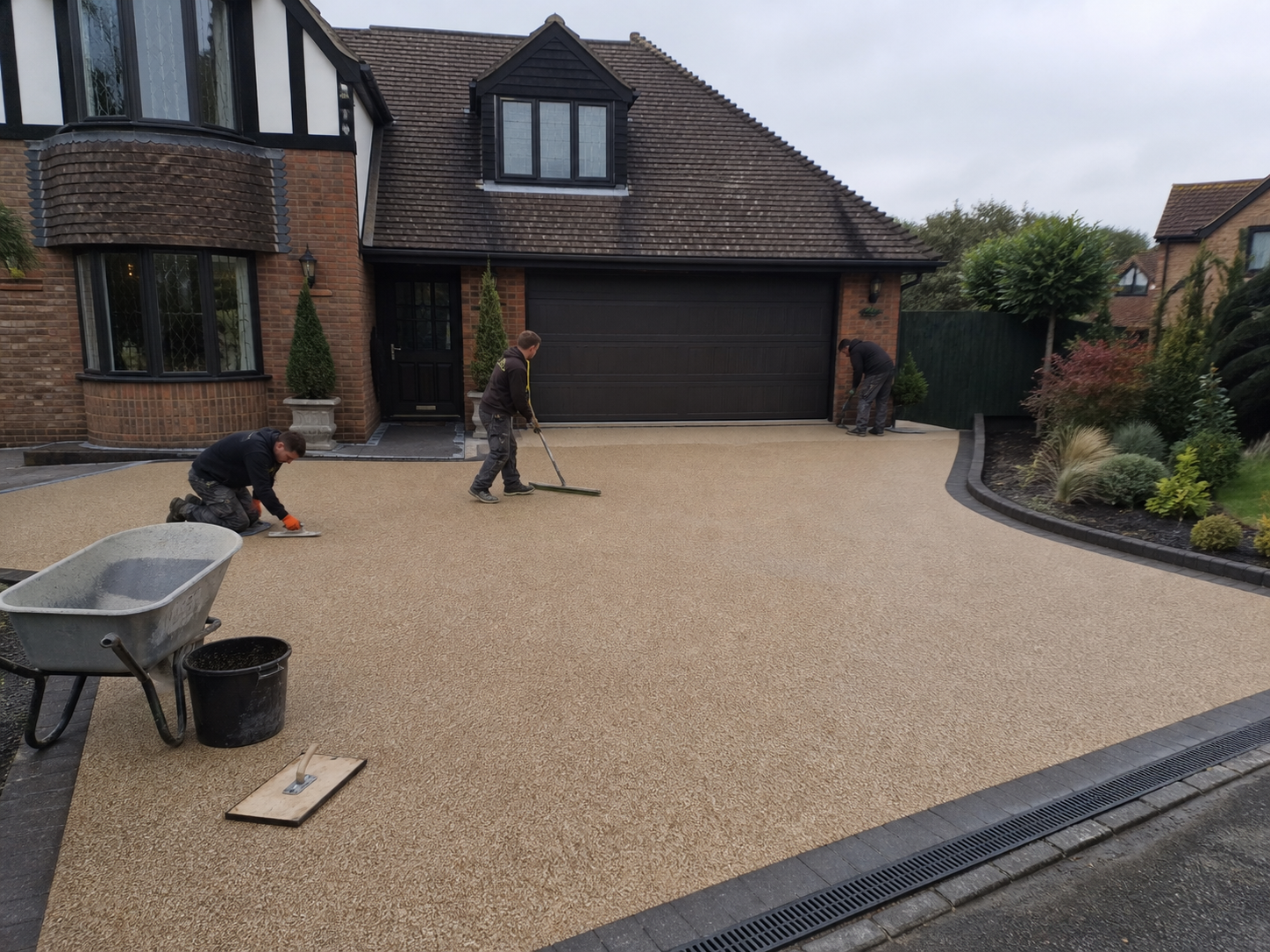
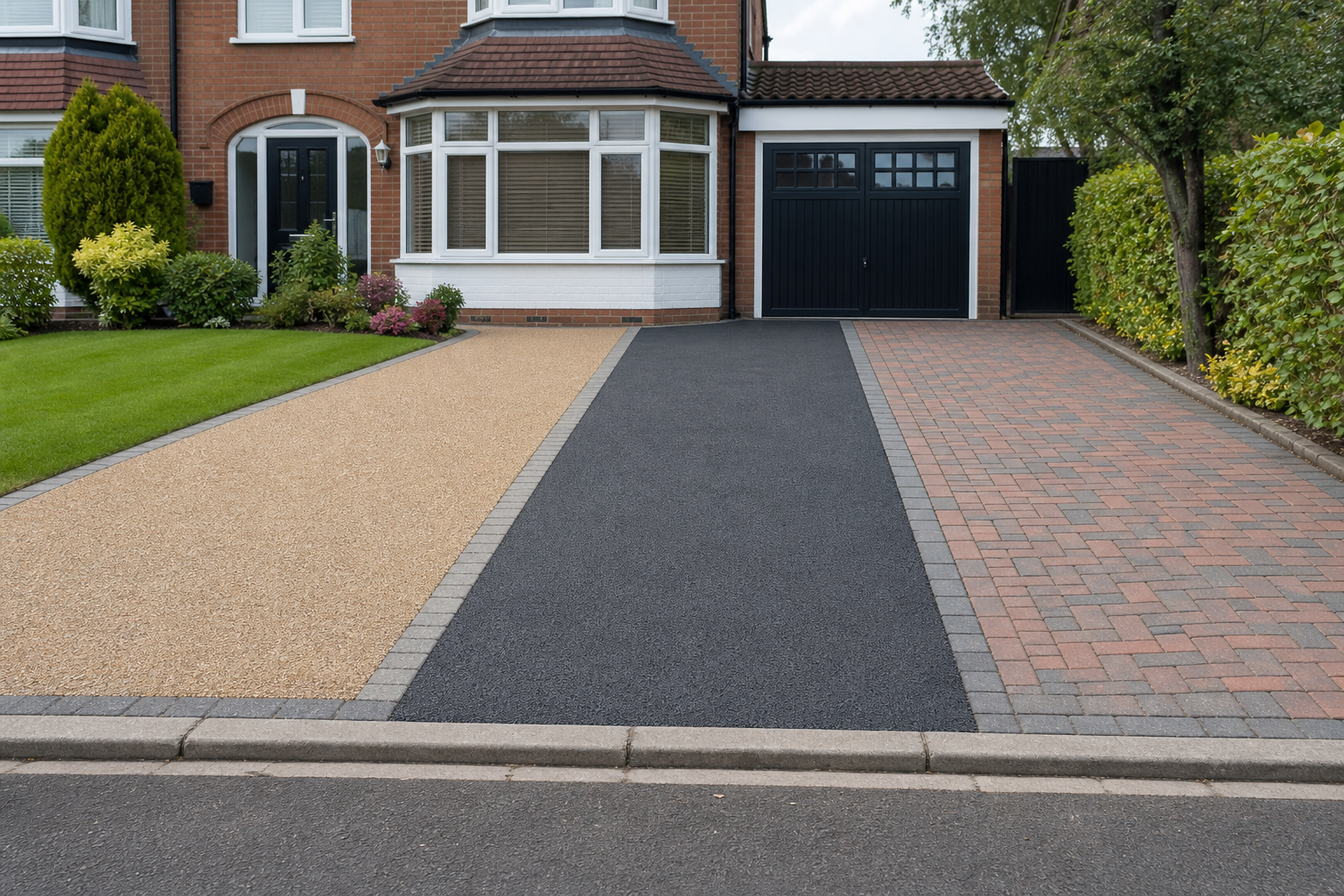
At J A Civils & Surfacing, we install and repair driveways using resin-bound surfacing, tarmac and block paving across Burton upon Trent, Tutbury and the surrounding area. We also carry out drainage work and driveway refurbishments, so we do not just look at colour and finish. We look at whether your current drive is genuinely fit for resurfacing.
For many homeowners, that distinction is the difference between a smart, long-lasting result and a surface that starts showing the same problems again far too soon.
Lay resin driveway over existing surface Burton upon Trent: can it be done?
Yes, in some cases. The real question is not simply whether there is an old driveway there already. It is whether that existing surface has the right structure, levels and condition to support a new resin-bound layer.
An older drive may still be suitable if it is basically sound and the issues are mainly cosmetic. If the drive is cracked right through, moving, holding water or breaking away at the edges, resurfacing over the top is usually not the right first step.
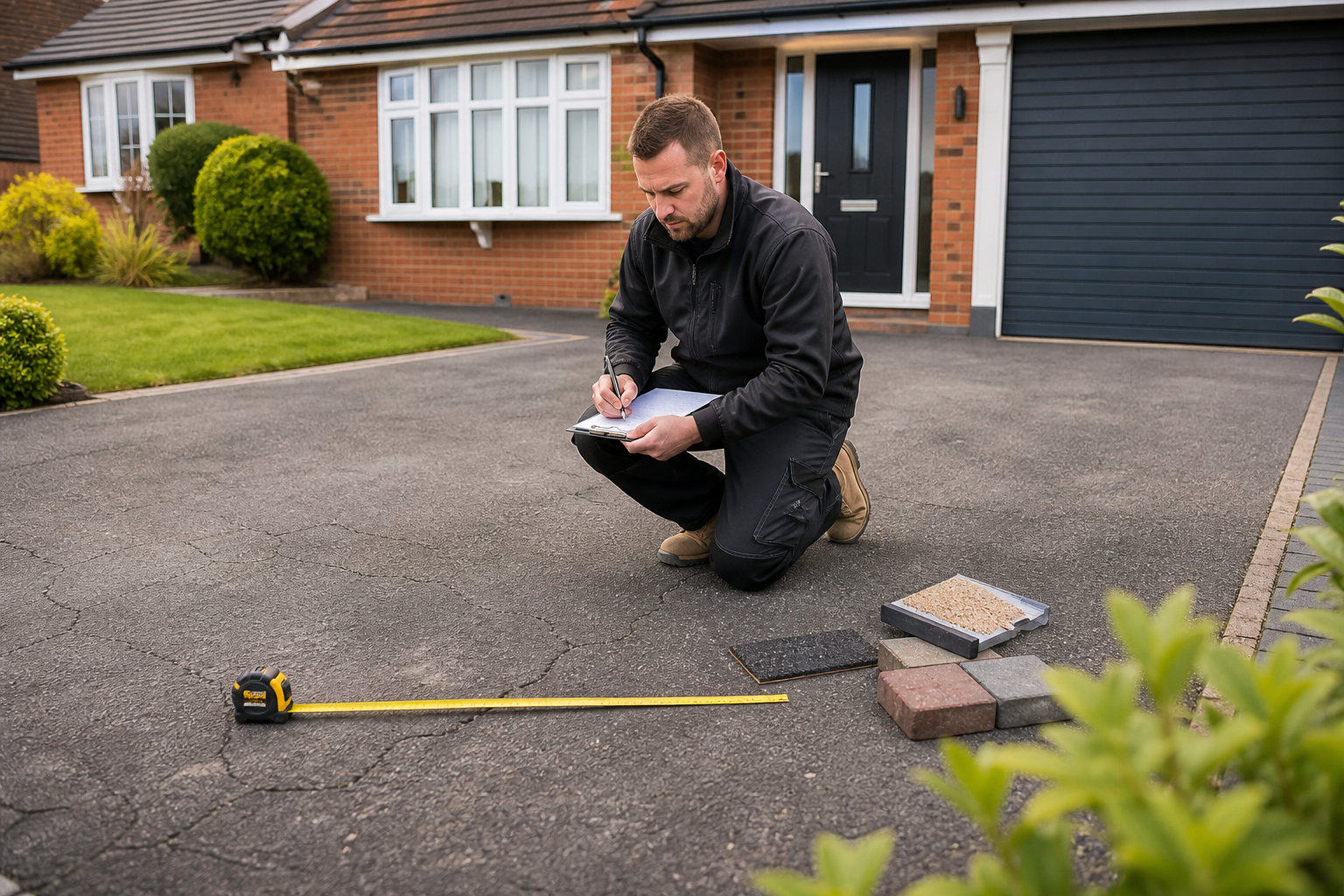
This is why a proper site visit matters. Before recommending an overlay, we assess the full area rather than just the top finish.
What we check first before recommending resin-bound surfacing
1. The type of existing surface
The starting point is always the base you already have.
Tarmac or asphalt: Often one of the more straightforward existing surfaces to assess, provided it is stable and not breaking up.
Concrete: May be suitable if it is sound and not suffering from significant movement or widespread cracking.
Block paving: Needs closer attention because movement in individual blocks and joints can affect the finished result.
Loose gravel or badly worn mixed surfaces: These are not usually treated as a direct base for a new resin finish.
2. Cracks, movement and weak areas
Small surface marks are very different from structural failure. If parts of the driveway are sinking, rocking under vehicle weight or separating at repaired joins, laying over the top can simply mask a deeper problem for a short time.
We look for signs such as:
long or recurring cracks
soft spots or movement underfoot
sinking near parking positions
edges that have dropped away
multiple old patches across the drive
3. Drainage and water runoff
Water problems should be resolved before a new finish goes down. If the driveway already holds puddles, sends water towards the property or has poor falls, a fresh surface on top will not automatically correct that.
This is one reason many local homeowners ask us to assess drainage and surfacing services together. Looking at the base, levels and water movement as one job usually leads to a better result.
4. Levels around doors, garages and paths
Adding a new surface changes finished height. That means we need to check practical details around the edges of the job, including:
garage thresholds
door openings
steps and paths
drain covers
kerbs and boundaries
Even if the existing drive looks broadly usable, incorrect finished levels can create awkward transitions or leave certain areas too high once the new layer is installed.
5. Edge restraint and overall shape
A resin-bound surface needs well-defined edges and a stable layout. If the sides are weak, crumbling or unfinished, extra preparation may be needed first. Edge detailing is not just about appearance. It helps the whole surface perform properly.
Which existing driveway surfaces are more likely to be suitable?
Existing tarmac drives
Where an older tarmac drive is still structurally sound, resurfacing may be possible. This is often the kind of job homeowners hope for because it can avoid unnecessary full replacement. The key is whether the tarmac underneath remains solid and correctly formed.
Existing concrete drives
Concrete can sometimes provide a suitable base, but only if cracking and movement are limited. A concrete surface with widespread fractures or visible settlement may point to bigger issues below.
Existing block paving
Block paving needs a more cautious assessment. If blocks have moved, dipped or loosened over time, that movement can affect any new finish laid above or around it. In some cases, block paved areas are better refurbished or replaced rather than simply covered.
Older refurbished or patch-repaired drives
Drives that have been repaired several times can be the hardest to judge from appearance alone. One section may be firm while another has a different makeup underneath. That is why we never assume a drive is suitable just because it looks reasonably flat from the front gate.
Signs your driveway may need more than an overlay
Sometimes the most cost-effective answer is not to lay resin over the top at all. A stronger long-term result may involve targeted repairs, deeper preparation or a full replacement.
Warning signs include:
standing water after rainfall
cracks that keep returning
visible subsidence or low spots
broken edges
uneven levels across parking areas
a driveway made up of several different old materials
a surface that already feels loose or unstable
If that sounds familiar, our driveway refurbishment specialists can assess whether repair, resurfacing or replacement makes the most sense for your property.
Why a site visit is the safest way to decide
Photos can help, but they rarely show the full picture. A driveway may appear suitable in an online enquiry and still prove unsuitable once the falls, edges and previous repairs are checked properly on site.
At J A Civils & Surfacing, we install and repair resin-bound surfacing, tarmac and block paving for homeowners across Burton upon Trent, Tutbury and surrounding areas. We also carry out drainage work, hard landscaping and driveway refurbishments, so we can assess the wider layout rather than looking at the surface in isolation.
Clients often come to us when they want clarity on three things:
Can the existing drive be kept?
What preparation is needed before resin is laid?
Will resurfacing be good value compared with replacement?
Those are exactly the questions a site visit is designed to answer. It is also the best stage to discuss access, edges, parking use and the overall finish you want from the completed driveway.
As a local, hands-on team with many years of experience in surfacing, we focus on practical advice rather than guesswork. That matters when you are deciding whether to invest in a resin finish or put money into deeper repairs first.
What Burton upon Trent homeowners can do before requesting a quote
You do not need to diagnose the whole driveway yourself, but a few quick checks can help you understand whether resurfacing is likely to be straightforward or not.
Walk the full area slowly. Look for movement, dips, pooling water and weak edges.
Check after rain if possible. Water often reveals the real problems faster than dry weather does.
Note previous repairs. Different patches can suggest the base has already had recurring issues.
Look at height changes. Pay attention to garage doors, front steps and adjoining paths.
Take a few clear photos. Wide shots and close-ups help when arranging an initial conversation.
When you are ready, you can explore our resin driveway and surfacing services and arrange a site visit to get a professional recommendation.
Frequently asked questions
Can you lay resin over an old concrete driveway?
Sometimes, yes. An old concrete driveway may be suitable if it is sound, stable and not showing significant movement or widespread cracking. The condition of the base still needs to be checked on site before any recommendation is made.
Can you lay resin over tarmac in Burton upon Trent?
In many cases, older tarmac can be assessed for resurfacing. The deciding factors are whether it is structurally sound, whether the levels work and whether drainage or edge issues need correcting first.
Will resin cover cracks in my current driveway?
A new finish can improve appearance, but it is not a substitute for fixing structural problems underneath. If cracks are caused by movement in the base, that cause needs to be addressed rather than simply covered.
How do I know whether I need resurfacing or full replacement?
The best guide is the condition of the existing structure, not just how tired the top looks. Cosmetic wear may point to resurfacing. Movement, poor drainage, sinking or broken edges may point to deeper refurbishment or replacement work.
Who should I call for a resin driveway site visit in Burton upon Trent?
If you are in Burton upon Trent, Tutbury or the surrounding area, J A Civils & Surfacing can assess whether your existing driveway is suitable for resin-bound surfacing. We are a hands-on local team offering resin driveways, tarmac, block paving, drainage work and refurbishment services.
Find out whether your existing driveway is suitable
If you are weighing up a new resin finish, the smartest first step is not choosing a colour. It is finding out whether the surface underneath is actually fit for the job.
At J A Civils & Surfacing, we help homeowners across Burton upon Trent make that decision with a practical site assessment based on base condition, drainage, levels and edge preparation. If your drive is suitable, we can advise on the next steps. If it is not, we will explain what needs attention first.
To book a site visit, call 07491 584452, email info@jacivilsandsurfacing.co.uk, or visit our website to enquire about resin-bound driveway work.